
Centella Asiatica (Cica) in Skincare: What Wound Healing Research Really Shows

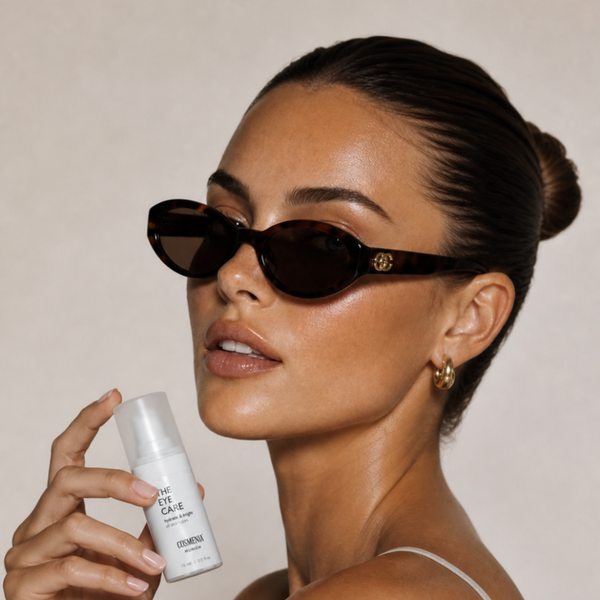
Note: image partly or fully created with AI.
 Centella asiatica – the tiger grass from the world of K-beauty
Centella asiatica, also known as tiger grass, gotu kola or simply ‘cica’, has been firmly established in Korean skincare for years and has long since reached European shelves too. A lot is promised: calmer skin, faster wound healing, less redness, even visibly improved scars. Reason enough to take a sober look at the actual research.
The short answer
Centella asiatica contains triterpenes such as asiaticoside and madecassoside, which in clinical studies have an anti-inflammatory effect, stimulate collagen formation and have been shown to support wound healing. For cosmetic products: the soothing and barrier-strengthening effect is well documented, dramatic ‘scars disappear’ promises are not.
What's really in centella asiatica?
Centella asiatica is a tropical marsh plant from South and Southeast Asia that has been used for centuries in traditional Ayurvedic and Chinese medicine to treat wounds. The main active compounds are four pentacyclic triterpenes, often grouped together in cosmetic research as the TECA complex: asiaticoside, madecassoside, asiatic acid and madecassic acid.
These compounds are well studied, but mainly in the form of standardised extracts and sometimes at higher concentrations than are common in many cosmetic products. In some European countries, a centella extract is even approved as a medicine for wound treatment – an indication that the effect is real, but also that dose and formulation are decisive.
What does current research show?
Compared with many other trendy ingredients, the evidence for centella asiatica is unusually solid. A randomised controlled trial with 280 patients after wrist surgery showed that a 1 percent centella cream applied twice daily significantly improved scarring, measured using the Vancouver Scar Scale. Current laboratory studies from 2025 on madecassoside also confirm accelerated wound healing and protection of skin cells against UVB-induced damage.
Important for critical context: most of these studies investigate isolated active ingredients or medical preparations at clearly defined concentrations – not the finished cream or serum from the drugstore or cosmetics shelf. How much asiaticoside and madecassoside a cosmetic product actually contains often can't be seen from the INCI list, as extracts are used at varying concentrations. If you want to play it safe, look for products that disclose their centella content transparently.
Where the hype goes beyond the evidence
What remains critical is that many marketing promises aren't fully covered by the research. ‘Disappearing’ scars or complete regeneration of severe skin damage aren't realistic with cosmetic cica products – independent long-term studies on large groups using over-the-counter formulations are lacking. The term ‘cica’ itself isn't protected either and is often used in K-beauty marketing for products containing only small amounts of the extract.
What is well documented, on the other hand, is the anti-inflammatory and soothing effect on irritated, sensitive skin and a supporting role in rebuilding a weakened skin barrier – effects that combine very well with well-founded natural cosmetics ingredients such as ceramides, hyaluronic acid and plant ferment extracts.
Adding centella asiatica to your routine the smart way
Soothing straight after cleansing
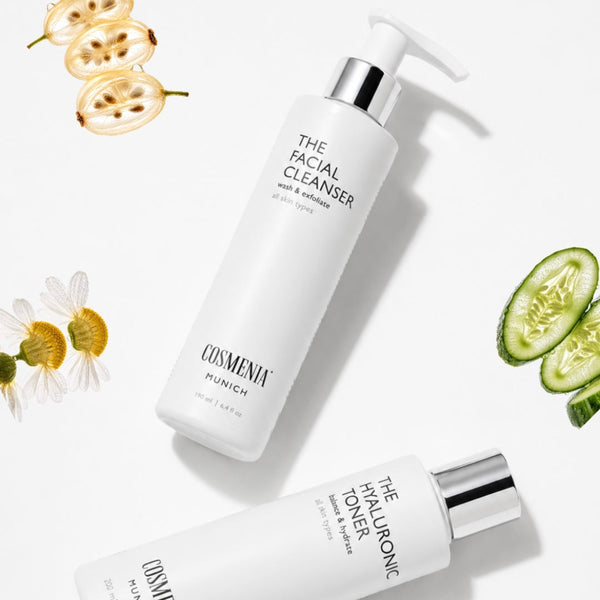
Irritated or red skin benefits from a soothing toner right after cleansing. Cosmenia's Hyaluronic Toner with hyaluronic acid and chamomile works in the same direction as centella preparations: it soothes, provides moisture and prepares the skin for the next steps.
Support the barrier in a targeted way
Since centella asiatica works mainly by strengthening the skin barrier and reducing inflammatory reactions, combining it with barrier-strengthening ingredients such as plant lipids and Alteromonas ferment extract makes sense. This is exactly the combination found in the Hydrating Serum, which is designed to help irritated, overstressed skin regenerate from within.
For sensitive, overwhelmed skin
After intensive treatments, strong sun exposure or with acutely irritated skin, a reduced routine focused on soothing and repair is worthwhile. The Hydra Barrier Repair Set combines cleanser, toner and serum for exactly this purpose and is a good basis for stabilising the skin step by step.
Frequently asked questions about centella asiatica
Is centella asiatica suitable for sensitive skin?
Yes. Centella extracts are considered well tolerated and are often studied specifically for irritated, sensitive or rosacea-prone skin. As with any new ingredient, a patch test on a small area of skin is still recommended.
Does cica really help against acne scars?
The available studies relate mainly to fresh post-operative scars, not to older, sunken acne scars. A supporting effect on fresh redness and slight unevenness may be plausible, but cica is no substitute for dermatological treatment.
How can I tell whether a product contains enough centella asiatica?
The INCI list shows the ingredient but not always the concentration. Its position in the ingredient list (further up means a higher proportion) and transparent manufacturer information help you assess it.
Conclusion
Centella asiatica is one of the few trendy ingredients with a genuinely solid scientific basis – especially for wound healing, soothing and barrier support. However, the bold promises of some K-beauty brands about scar correction and anti-ageing go beyond what has been clinically proven. If you want to respond to irritated, sensitive skin with well-founded care, the combination of soothing and barrier care in Cosmenia's Hydra Barrier Repair Set is a good choice – science-based rather than pure trend.
Want to see more from COSMENIA in your Google search results? Add us as a preferred source.


Comments