
Sleep deprivation and skin: what too little sleep really does to your skin barrier

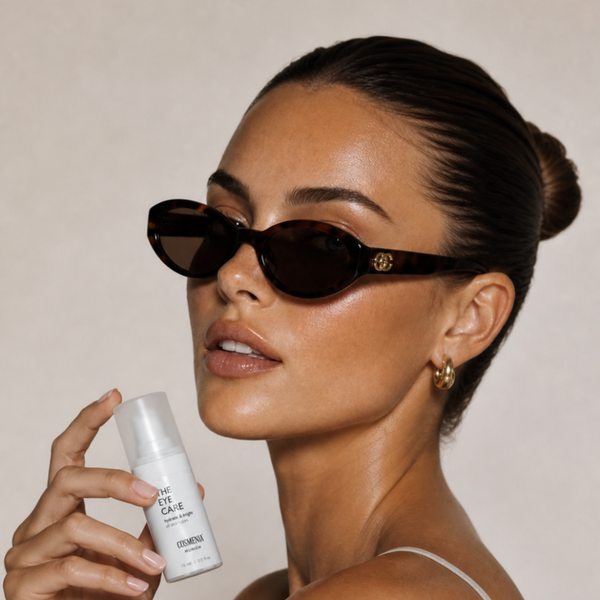
Note: Image partly created with AI.
In short
Sleep deprivation and skin are demonstrably linked: in small studies, people with too little or poor sleep showed more water loss through the skin, slower barrier recovery and less elasticity. What is shown are associations, not miracles: enough sleep and gentle care support the skin barrier.
Sleep deprivation and skin at a glance
- Affected functions: skin hydration, barrier function (measured as transepidermal water loss, TEWL), elasticity, overall appearance
- Well documented: Short-term sleep restriction measurably worsens hydration and elasticity in controlled studies.
- Partly documented: Chronically poor sleep goes along with higher TEWL and more signs of intrinsic ageing (an association, not proof of cause and effect).
- Not documented: That cosmetics can "make up for" lost sleep; skincare can only support the skin.
- Use: regular sleep, gentle cleansing, moisturising care in the evening, daily sun protection
What does sleep deprivation mean for the skin?
Sleep deprivation is a state in which sleep duration or quality is insufficient for the body to recover over a longer period. The skin follows a daily rhythm too. As a beautician, I often see skin looking duller, drier and more sensitive after short nights. Whether and how strongly this can be measured is what the studies tell us.
What does research say about sleep and the skin barrier?
Controlled sleep restriction: hydration and elasticity drop
A Korean study (Skin Research and Technology, 2020) examined 32 women in their 40s. For one week they slept 8 hours a night, the following week only 4 hours. After just one day of shortened sleep, skin hydration dropped significantly and kept falling. Gloss, transparency, elasticity and wrinkles also worsened; elasticity was affected most. The evidence is solid but small and limited to middle-aged women.
Chronically poor sleep: slower barrier recovery
A study in Clinical and Experimental Dermatology (2015) compared 60 women: "poor sleepers" (5 hours at most, high PSQI score) and "good sleepers" (7–9 hours). Poor sleepers already had higher TEWL at baseline. After the top skin layer was removed with adhesive tape, good sleepers showed 30% better barrier recovery after 72 hours. They also had lower intrinsic skin ageing scores. Important: this is a group comparison, not proof that sleep deprivation alone causes the differences.
Animal studies: interesting, but not transferable
A study in Cells (2025) in sleep-deprived female mice suggests that disrupted oestrogen rhythms can impair the barrier and collagen synthesis, and that taurine mitigates this in the model. This is preclinical research; it does not allow conclusions about skincare for humans.
Critical view: what the studies really show
An association between too little sleep and weaker skin function is documented. Open questions remain: how quickly this reverses after normal sleep, whether men and other age groups react the same way, and how much is explained by stress, diet or lifestyle. The studies are small, short and mostly examined women. Terms like "beauty sleep" also sound like a promise that research does not support: sleep is not an anti-ageing agent but a foundation on which skincare works better. And under the EU Cosmetics Regulation, cosmetics may only care for the skin, not heal it.
Caring for your skin after short nights
Evening: support the barrier instead of overloading it
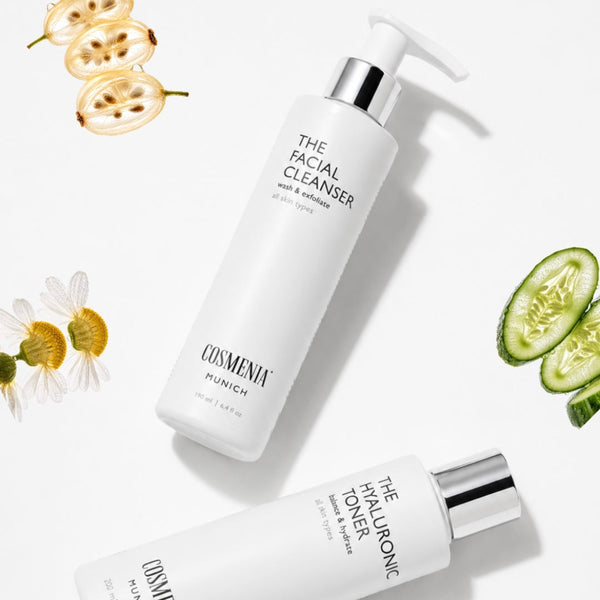
After a short night, your skin does not need an intensive programme. Cleanse gently, for example with The Facial Cleanser, and skip extra peelings on bad days. A rich night care like The Beauty Sleep Cream & Mask with shea butter forms a protective film and supports skin regeneration overnight. Read more on whether night care really has to be different in our article Night cream: does your skin really need different care at night?
Morning: moisture and protection
Since sleep deprivation mainly affects hydration, a serum with hyaluronic acid such as The Hydrating Serum is a good base. For tired-looking eyes, The Eye Care with horse chestnut and plant-based hyaluronic acid is a light option. Dark circles have many causes, including genetic ones. Find more on barrier and hydration in Strengthening the skin barrier and Dehydrated vs. dry skin. And in any weather: don't forget sun protection, as recovery from UV-induced redness was also weaker in poor sleepers in the 2015 study.
Frequently asked questions about sleep deprivation and skin
How quickly does sleep deprivation show in the skin?
In the Korean study, skin hydration measurably dropped after just one day of 4-hour sleep. How visible this is differs from person to person, often as duller, drier skin.
Can skincare make up for lack of sleep?
No. Skincare can provide moisture and support the barrier, but it does not replace sleep.
How much sleep does the skin need?
There is no fixed figure for the skin. In the 2015 study, 7–9 hours counted as good sleep duration, which matches common recommendations for adults.
Does lack of sleep make dark circles worse?
It is possible: in the 2015 study, dark circles were rated from photographs, but the causes are manifold, such as predisposition or pigmentation.
Does a night cream help with poor sleep?
It can supply dry skin with moisture and lipids overnight. It does not improve sleep quality.
Conclusion
Sleep deprivation and skin are closely linked: studies show less hydration, lower elasticity and slower barrier recovery, but only in small investigations. Rely on enough sleep, gentle cleansing and supportive care, for example with The Beauty Sleep Cream & Mask.
Sources
- Jang et al.: A study of skin characteristics with long-term sleep restriction in Korean women in their 40s. Skin Research and Technology, 2020. DOI: 10.1111/srt.12797
- Oyetakin-White et al.: Does poor sleep quality affect skin ageing? Clinical and Experimental Dermatology, 2015. DOI: 10.1111/ced.12455
- Taurine Prevents Impairments in Skin Barrier Function and Dermal Collagen Synthesis Triggered by Sleep Deprivation-Induced Estrogen Circadian Rhythm Disruption. Cells, 2025. DOI: 10.3390/cells14100727
- Regulation (EC) No 1223/2009 on cosmetic products
As of: October 2026
Want to see more from COSMENIA in your Google search results? Add us as a preferred source.


Comments