
Cloud Skin: The 2026 Beauty Trend Put to the Test – Hype or Real Skincare?
Note: image partly or fully created with AI.
The short answer
Cloud skin is the 2026 beauty trend describing a soft, slightly mattified complexion with a visible glow from within – unlike the reflective ‘glass skin’. The look comes mainly from a well-hydrated, intact skin barrier and only secondarily from make-up. Scientifically, there's little new about it: it's proven hydrating skincare, repackaged as a trend term.
What exactly is cloud skin?
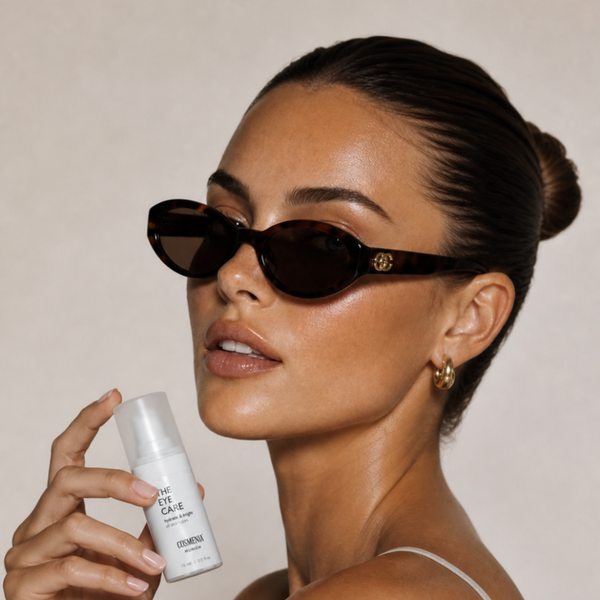
Cloud skin describes a velvety-soft, slightly diffused complexion that gently scatters light instead of reflecting it like a mirror, as with ‘glass skin’. The name alludes to the way clouds catch the light in golden evening light: soft, even, without hard edges. Unlike the dewy skin look of recent years, cloud skin focuses on a semi-matte but never dry finish – skin that looks like it has simply had a good night's sleep, not as if highlighter has just been applied.
The trend thus deliberately positions itself as a counterpoint to the highly reflective, glassy looks of recent years: achievable even on an ordinary Tuesday morning, less effort to create and closer to how healthy skin actually looks.
What's really behind it from a skincare perspective?
The key point: cloud skin is primarily a skincare trend, not a make-up trend. A matte but not dried-out complexion with a visible glow requires an intact skin barrier. If the lipid barrier is weakened, the skin looks either greasy and shiny or dull and rough – and in both cases the soft, even diffusion effect of the cloud skin look is missing. Three factors are decisive:
- Hydration: Hyaluronic acid and moisture-binding ingredients replenish the stratum corneum and create the plump, smooth surface that scatters light evenly.
- Barrier-strengthening lipids: Ceramides and plant oils stop absorbed moisture from evaporating straight away and at the same time avoid unwanted greasy shine.
- Light, non-comedogenic textures: Gel creams and fluids instead of heavy, occlusive formulations create the mattified but lively finish without clogging pores.
These three principles have long been established in dermatology – cloud skin simply bundles them under a new, social-media-friendly name.
A critical look: new trend or old principle with a new name?
If you follow the discussion around cloud skin, you'll find little that goes beyond well-known skincare basics. The actual ‘trend’ is first and foremost an aesthetic ideal – a particular, curated target state for the skin – not a new class of ingredient or method. Unlike ingredient hypes with questionable research, there's also no overpromising of individual ingredients here: the basis of cloud skin, a well-cared-for skin barrier plus sufficient moisture, is well documented.
The catch lies more in how it's achieved: many of the products recommended on social media rely on mattifying foundations and primers that conceal the look in the short term without actually strengthening the underlying skin barrier. If you use mattifying make-up products instead of a caring foundation in the long term, you're more likely to end up with irritated, unbalanced skin – the opposite of the desired effect. The look can therefore be built more sustainably from the skincare side than from the make-up side.
Achieving cloud skin with natural cosmetics
The basis: gentle cleansing without stripping the barrier
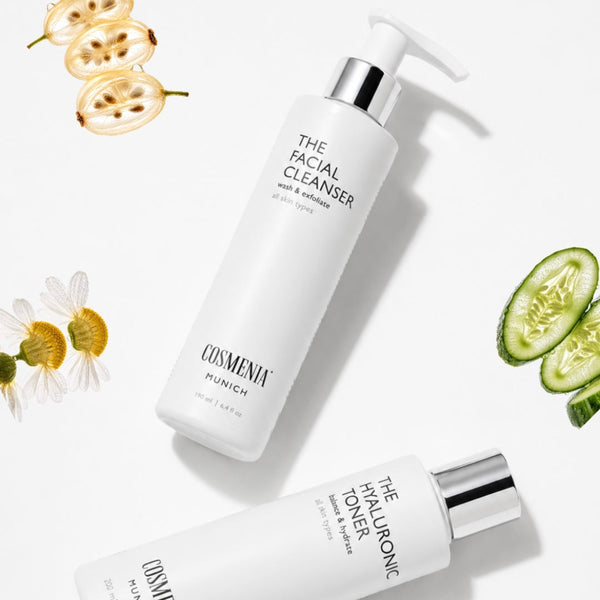
The first step is mild cleansing that neither dries out the skin nor attacks the lipid layer. The Facial Cleanser with AHA fruit acids removes make-up and excess oil without putting unnecessary strain on the skin before the following steps.
Build up moisture
The Hyaluronic Toner with hyaluronic acid and chamomile applies the first layer of moisture, and The Hydrating Serum with Alteromonas ferment extract deepens hydration and creates the plump, smooth texture that makes the diffused light effect of cloud skin possible in the first place.
A mattified finish without dryness
For the characteristic semi-matte finish, The Glowy Gel with aloe vera and zinc is a good choice: oil-free, light and hydrating rather than greasy and shiny. If you're looking for a richer day cream with stabilising plant lipids, The Day Cream is a good choice.
If you'd rather not put together the complete cloud skin routine yourself, you'll find it already curated in The Fresh Glow Routine – a 4-step system designed for exactly the fresh, clear, mattified complexion that looks like you've had nine hours of sleep.
Frequently asked questions about cloud skin
Is cloud skin suitable for every skin type?
In principle yes, as the look relies primarily on hydration and barrier care rather than specific active ingredients. Very oily skin should use particularly light, oil-free textures such as gel creams, while dry skin tends to benefit from richer creams.
Do I need special make-up products for cloud skin?
No. The effect comes primarily from skincare. If you also use foundation, choose light, semi-coverage formulations rather than heavy, matte full coverage.
Is cloud skin really different from glass skin and dewy skin?
Visually yes: glass skin and dewy skin rely on visible, reflective shine, while cloud skin aims for a softer, semi-matte glow. From a skincare perspective, however, the basis of all three looks is identical – a well-hydrated, intact skin barrier.
Conclusion
Cloud skin is less a new scientific approach than a new name for a well-known skincare goal: a healthy, well-hydrated skin barrier that scatters light softly instead of reflecting it or swallowing it completely. If you want to achieve the look sustainably, rely on skincare rather than mattifying make-up – for example with The Fresh Glow Routine, which aims for exactly this fresh, rested complexion.


Comments