

Horse Chestnut Extract in Eye Care: What Really Helps Against Puffiness and Dark Circles

Note: image partly or fully created with AI.
The short answer
Horse chestnut extract (INCI: Aesculus Hippocastanum Seed Extract) contains aescin, which has a vessel-sealing and de-puffing effect and is therefore used in eye creams against puffiness and eye bags. However, the most robust clinical data comes from oral use for vein disorders in the legs – large independent studies on topical use around the eyes are lacking. The ingredient does little against bluish dark circles caused by pigmentation or blood vessels showing through.
What is horse chestnut extract?
Horse chestnut extract is obtained from the seeds of Aesculus hippocastanum and in cosmetics is usually standardised to the marker substance aescin (also escin), a mixture of triterpene saponins. Medically, the extract has been established for decades: in Germany, standardised oral preparations are approved as medicines for chronic venous insufficiency – against heaviness, swelling and itching in the legs. This medical reputation is why the ingredient has also found its way into eye creams, where puffy areas and fluid retention represent a similar, albeit much smaller-scale, problem.
How is aescin supposed to work against puffiness?
Aescin works through several well-studied mechanisms: it reduces the permeability of small blood vessels (capillary permeability), increases the tone of the vein walls and thus promotes the removal of tissue fluid. It also inhibits enzymes such as hyaluronidase, which are involved in the breakdown of connective tissue, and has anti-inflammatory and antioxidant effects. For the eye area, where the skin is particularly thin and fluid easily builds up due to lying down, too little sleep or salt intake, this sounds mechanistically plausible: less permeable vessels, better drainage, visibly less puffiness.
A critical look: what does the research really show?
Precision is worthwhile here. The most convincing clinical data on aescin – randomised, placebo-controlled studies showing a reduction in leg circumference after several weeks of use, confirmed among others by a Cochrane review – relate almost exclusively to oral standardised extracts for vein disorders in the legs, not to creams for the eye area. Transferring this to a thinly applied, low-concentration topical formulation around the eyes is a different use case with a completely different evidence base.
Large, independent, placebo-controlled studies specifically on topical aesculus extract in eye creams are rare. What exists are mainly in-vitro data on fibroblasts and vascular cells, as well as smaller cosmetic efficacy tests by the raw material manufacturers themselves – useful indications, but no large-scale independent confirmation. Added to this is an often overlooked point: dark circles have several very different causes. Besides fluid retention (which aescin targets), pigment changes, blood vessels showing through particularly thin skin and structural shadows from tear troughs also play a role. A de-puffing ingredient can do little against the last two causes, even if it does actually relieve the puffy component.
From a regulatory point of view, Aesculus Hippocastanum Seed Extract is unproblematic as a cosmetic ingredient: it is neither on the list of prohibited substances nor on the list of restricted substances of the EU Cosmetics Regulation, and no maximum concentration is prescribed.
In practice: how to use horse chestnut extract sensibly
Realistic expectations of eye care
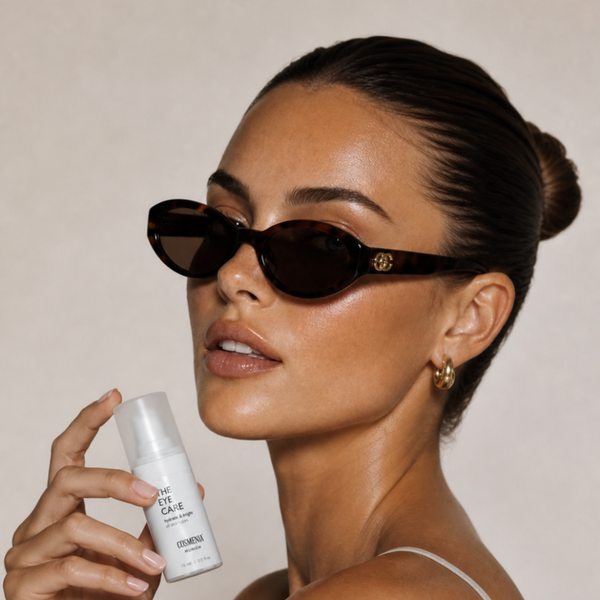
An eye cream with horse chestnut extract can make a noticeable but limited difference to morning puffiness and slight eye bags – most likely in combination with cool application and a gentle massage while tapping it in. Our The Eye Care combines horse chestnut extract with hyaluronic acid for the sensitive eye area and is designed for exactly this use, without making unrealistic promises about bluish dark circles.
Add antioxidant cell protection
Since oxidative stress puts additional strain on the vessel walls, the eye area benefits from complementary cell protection from the rest of your routine. The Hydrating Serum with Alteromonas ferment extract supports cellular defence across the whole face and can easily be combined with targeted eye care.
Don't underestimate sleep and regeneration
A large part of morning puffiness is simply caused by too little or restless sleep, during which fluid builds up in the tissue. A supportive night routine, for example with The Beauty Sleep Cream & Mask, doesn't replace restful sleep, but it can usefully accompany the skin's overnight regeneration.
Frequently asked questions about horse chestnut extract in eye care
Does horse chestnut extract help with all types of dark circles?
No. It works best against the puffy, watery component of eye bags. It is not very effective against bluish-purple dark circles caused by thin, translucent skin or against brownish pigmentation – other approaches such as sun protection or targeted brightening ingredients are needed here.
How quickly does it show an effect?
In the short term, eye cream applied cool can visibly reduce puffiness within minutes. For a more lasting effect on microcirculation, as with most ingredients, regular use over several weeks is more realistic than a single application.
Is horse chestnut extract well tolerated around the eyes?
As a cosmetic ingredient in low concentration, the extract is generally considered well tolerated. Since the eye area is particularly sensitive, a careful first test is recommended, as with any new product.
Conclusion
Horse chestnut extract is a plausible, medically well-documented ingredient against swelling – though its evidence comes mainly from oral use for vein disorders in the legs. For topical use in eye care, the mechanism of action makes sense, but the independent research specifically for this area is thinner than marketing texts often suggest. If you want to relieve morning puffiness, you can work with a formulation such as The Eye Care – but you should know that it addresses only one of several causes of tired-looking eyes.
Want to see more from COSMENIA in your Google search results? Add us as a preferred source.


Comments