
Sunburn Aftercare: Home Remedy Myths Put to the Test – What Really Helps Your Skin

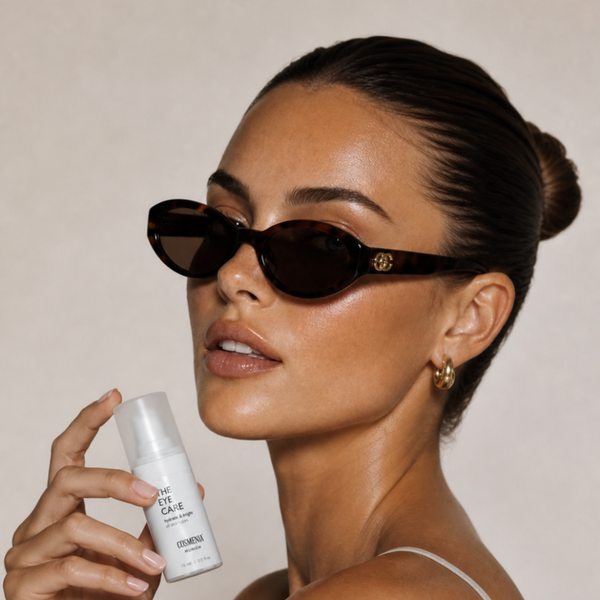
Note: image partly or fully created with AI.
The short answer
After sunburn, the skin mainly needs three things: cooling, hydration and avoiding irritation. Aloe vera, hyaluronic acid, ceramides and panthenol have been shown to support regeneration, while home remedies such as quark, vinegar or toothpaste can further irritate the damaged skin barrier. Blistering, fever or widespread, severe sunburn should be treated by a doctor.
What happens in the skin with sunburn?
Sunburn is an acute inflammatory reaction to UV radiation, mainly UVB light. The radiation damages the DNA of skin cells, triggers the release of pro-inflammatory messengers and dilates the blood vessels – visible as redness, a feeling of warmth and sensitivity to pain. At the same time, the skin barrier becomes more permeable: transepidermal water loss increases, and the skin temporarily loses its ability to protect itself adequately and retain moisture. That explains why sunburnt skin reacts so sensitively to additional stimuli – from fragrances to aggressive active ingredients such as retinol or fruit acids, which should be paused during this phase.
What the research on aloe vera & co. really shows
Aloe vera is one of the best-researched after-sun ingredients: the leaf gel is around 99% water and also contains polysaccharides, amino acids and antioxidants. In studies on UV-irradiated skin, highly concentrated aloe vera gel noticeably reduced redness and skin irritation, although a visible effect usually only appeared after 24–48 hours – so aloe vera is more a building block of the regeneration phase than an instant remedy for acute pain. In addition, current dermatological reviews show that a simple routine of ceramides, hyaluronic acid, niacinamide and panthenol specifically supports the skin barrier, binds water in the skin and reduces moisture loss. Concentration matters here: pure, undiluted aloe vera gel can itself irritate some people, which is why well-tolerated, low-concentration formulations are often a better everyday choice than pure leaf gels from the pharmacy.
Home remedy myths put to the test
Stubborn home remedy recommendations persist around sunburn that, from a scientific point of view, tend to do more harm than good. Quark and yoghurt on burnt skin may feel cooling in the short term, but they contain milk protein and germs that can encourage infections on damaged, permeable skin. Vinegar or high-proof alcohol dry the skin out further and irritate the already disturbed barrier instead of soothing it. Toothpaste – a myth that persists stubbornly – contains essential oils, menthol derivatives and cleansing particles that can trigger contact irritation on burnt skin. Aggressive exfoliation or bursting blisters should also be avoided: an intact blister protects against germs, and opening it significantly increases the risk of infection.
Sunburn aftercare in practice
The first few hours: cool and soothe
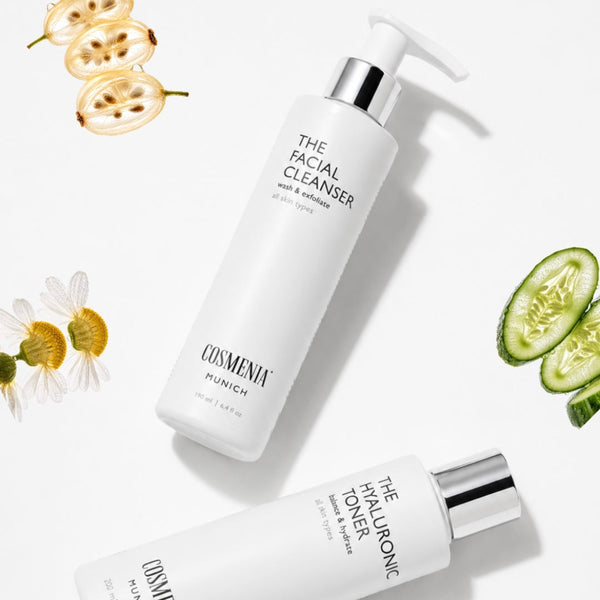
Cool (not ice-cold) compresses or a cool shower relieve heat and pain in the first few hours. Straight afterwards, a hydrating, soothing toner such as The Hyaluronic Toner with hyaluronic acid and chamomile helps gently return moisture to the skin without the extra friction of rich creams.
Light, oil-free moisture for the acute phase
As long as the skin is still warm and sensitive, light, non-greasy textures are better than rich creams. The Glowy Gel with aloe vera and zinc provides intense hydration, feels noticeably cooling when applied and doesn't put additional strain on irritated skin.
Support regeneration overnight
Once the acute feeling of heat has subsided, your skincare can become richer: The Beauty Sleep Cream & Mask with shea butter intensively nourishes the skin overnight and supports the regeneration of the stressed barrier while the skin renews itself.
Prevention is more effective than aftercare
No after-sun product replaces consistent sun protection. The Sun Kiss SPF 30 with mineral UV filters and broad-spectrum protection significantly reduces the risk of sunburn from the outset – and on very sunny days, reapplying every two hours is also worthwhile.
Frequently asked questions about sunburn aftercare
How long does it take for sunburn to heal?
Mild to moderate sunburn usually subsides within 3 to 7 days, with the skin often peeling in the days that follow. Some residual sensitivity can last for a few more days after that.
Should I moisturise sunburnt skin or not?
Yes, mild, hydrating care without fragrances or irritants supports regeneration. However, ingredients such as retinol, high-dose fruit acids or alcohol-based products should be avoided as long as the skin is still red and sensitive.
When should I see a doctor about sunburn?
In the case of widespread blistering, severe pain, fever, chills, nausea or sunburn in toddlers and babies, seek medical advice immediately – skincare alone is no longer enough here.
Conclusion
Sunburnt skin mainly needs rest, moisture and the avoidance of irritating home remedies or active ingredients – aloe vera, hyaluronic acid and ceramides are scientifically well-supported helpers, not instant miracle cures. But prevention always remains the most effective approach: with consistent mineral sun protection such as Cosmenia's The Sun Kiss SPF 30.
Want to see more from COSMENIA in your Google search results? Add us as a preferred source.


Comments