
Aloe Vera in Skincare: What the Research Really Shows

Note: image partly or fully created with AI.
The short answer
Aloe vera has been shown to provide moisture and have a soothing effect – confirmed by an analysis of over 20 studies. For wound healing, anti-ageing or acne, on the other hand, the evidence is weak to contradictory. The actual aloe content of the product is decisive: many creams contain only traces of the extract advertised as the main ingredient.
What's actually in the aloe vera plant?
The gel inside aloe vera leaves is over 90% water. The rest is a complex mixture of polysaccharides such as acemannan and glucomannan, amino acids, enzymes and vitamins A, C and E. Moisture-binding and skin-soothing effects are attributed mainly to the polysaccharides, as they form a film on the skin's surface and can store water.
On the INCI list, aloe vera usually appears as ‘Aloe Barbadensis Leaf Juice’ or ‘…Leaf Extract’. How much of it a product actually contains depends heavily on processing: is only the inner leaf fillet used, or the whole leaf including the rind? Is the gel stabilised fresh or reconstituted from concentrated powder? These differences explain why ‘aloe vera gel’ can vary greatly in texture and effect from brand to brand, even though the packaging says the same thing.
What the research actually shows
An analysis of 23 clinical studies confirms that aloe vera can help hydrate the skin and reduce transepidermal water loss. Its anti-inflammatory and soothing effect is also considered comparatively well documented – for example for mild irritation or after sun exposure. A randomised, double-blind study from 2020 with 36 participants also showed positive effects on inflammatory, atopic skin.
For many other promises, the data is considerably thinner. The German consumer organisation Stiftung Warentest comes to a sober conclusion in its assessment: big promises, little evidence – especially for anti-ageing effects or the frequently cited effect against acne. There are indications of a benefit for wound healing after burns, too, but experts often rate the quality of the studies as low, with small numbers of participants and inconsistent methods. For atopic dermatitis or other chronic skin conditions, current evidence is not sufficient to demonstrate a reliable effect.
A critical look: aloin, concentration and marketing
One regulatory point concerns the anthraquinones, above all aloin and aloe-emodin, which occur in the outer leaf layer and latex layer of the plant. These substances are attributed irritating and potentially genotoxic properties, which is why the industry uses a guideline value of less than 50 ppm anthraquinone content in finished cosmetic products. Reputable manufacturers therefore remove the rind before extracting the gel and document the reduced anthraquinone content in their safety data sheets.
The second critical point is more of a marketing issue than a safety one: ‘aloe vera’ sells well and is therefore often prominently displayed on the packaging, but appears far down on the INCI list – an indication of a low actual concentration. If you want to know how much aloe is really in a product, check the INCI order: ingredients are listed in descending order of proportion, and the most important component usually follows directly after water. If Aloe Barbadensis Leaf Juice is far down the list, it is often more of a marketing note than an effective part of the formula.
Adding aloe vera to your routine the smart way
As a light, oil-free moisturiser
Cosmenia's The Glowy Gel combines aloe vera with zinc in an oil-free gel that fits well with the moisture-binding effect documented in studies – ideal for combination and oily skin that still needs hydration without being weighed down.
For soothing after sun or irritation
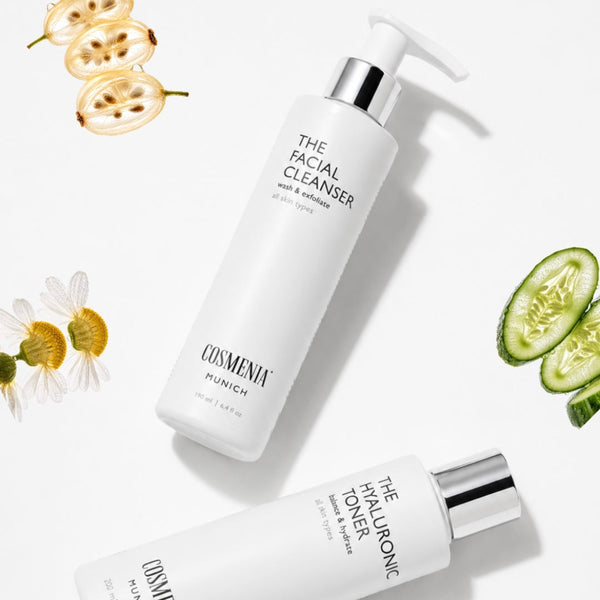
For acutely irritated or sun-stressed skin, a light, soothing texture is particularly suitable. The Hyaluronic Toner with hyaluronic acid and chamomile adds extra moisture binding to aloe's cooling effects and works well as an in-between step before richer care.
As part of a barrier-conscious routine
Aloe vera doesn't replace lipid care, but it can usefully complement a routine. In the Cleanse & Balance Set, cleansing and hydrating care can be combined to balance the skin without overloading it.
Frequently asked questions about aloe vera
Is aloe vera suitable for every skin type?
Aloe vera is usually well tolerated, even by sensitive and blemish-prone skin, as it is non-comedogenic and contains no oils. If you have known allergies to plants of the lily family (to which aloe belongs), caution is still advisable, and a patch test in the crook of your arm makes sense.
Does aloe vera really help against acne?
The research on this is weak. Thanks to its soothing effect, aloe vera can help relieve redness alongside other care, but it is no substitute for ingredients that specifically target blemish-prone skin, such as niacinamide or zinc PCA.
What should I look for when buying aloe vera products?
Look at the position of ‘Aloe Barbadensis Leaf Juice’ on the INCI list – the higher up it is, the higher the proportion. Certified natural cosmetics labels such as COSMOS or Ecocert are also an indication of controlled cultivation and processing standards.
Conclusion
Aloe vera is not a miracle cure, but a well-researched, well-tolerated ingredient for moisturising and soothing the skin – provided the concentration in the product is right. If you pay attention to its INCI position and see aloe vera as a complement rather than a cure-all, you can benefit from its documented effects. The Glowy Gel with aloe vera and zinc offers a good oil-free introduction.
Want to see more from COSMENIA in your Google search results? Add us as a preferred source.


Comments