
Bisabolol from Chamomile: What the Soothing Ingredient Can Really Do for Irritated Skin

Note: image partly or fully created with AI.
The short answer
Bisabolol, one of the main active ingredients in chamomile, has been shown in studies to be anti-inflammatory, soothing and mildly antimicrobial. It relieves redness and irritation and supports the moisture barrier. For certified natural cosmetics, only the natural form obtained from chamomile counts – synthetic bisabolol is not permitted there, even though it looks identical on the INCI list.
What is bisabolol and where does it come from?
Bisabolol, more precisely alpha-bisabolol, is a sesquiterpene alcohol found mainly in the essential oil of German chamomile (Matricaria recutita) and, to a lesser extent, in the candeia tree. On the INCI list, the ingredient simply appears as ‘Bisabolol’, regardless of whether it was distilled from chamomile oil or produced synthetically or semi-synthetically (for example from farnesol). Chemically, the two variants are very similar, but for certified natural cosmetics the origin makes a decisive difference: labels such as COSMOS or NATRUE only permit naturally obtained bisabolol. So if you look for a natural cosmetics label, you automatically get the plant-based variant – without a label, you can't tell from the packaging alone.
How does bisabolol work on the skin?
The mechanisms of action of bisabolol are comparatively well researched. In cell studies, the ingredient inhibits the release of pro-inflammatory messengers such as TNF-α, IL-1β, IL-6 and COX-2, thereby dampening typical skin irritation reactions. Clinically, this shows up as relief from redness, itching and tightness. In addition, bisabolol can bind moisture in the top layer of the skin and reduce transepidermal water loss, which is particularly helpful for dry or stressed skin. Some laboratory studies have also demonstrated mild antimicrobial and antifungal properties. Unlike many newer trendy ingredients, bisabolol is therefore not an untested promise but a substance with decades of use in cosmetics and medicines, for example in wound care and oral care products.
What does the research show, critically assessed?
The basic anti-inflammatory effect of alpha-bisabolol is considered well documented, among other things by a frequently cited paper from 2014 and more recent reviews of its molecular mechanisms of action. The safety assessment by the Cosmetic Ingredient Review (CIR) classifies bisabolol as safe at the usual cosmetic concentrations; a clinical study with 0.5% bisabolol over eight weeks showed no relevant skin irritation. Some of the newer figures cited in marketing materials, on the other hand, should be put into critical context: efficacy figures from 3D skin models of individual raw material manufacturers are not independent, published clinical studies in humans, but in-house laboratory data that mainly serve to market the raw material. If you come across such percentages in product descriptions, read them as manufacturer claims rather than proven effects on your own skin. Overall: the evidence for the basic soothing and barrier-supporting effect is good; specific efficacy promises for individual formulations often less so.
Adding bisabolol to your routine the smart way
Soothing straight after cleansing
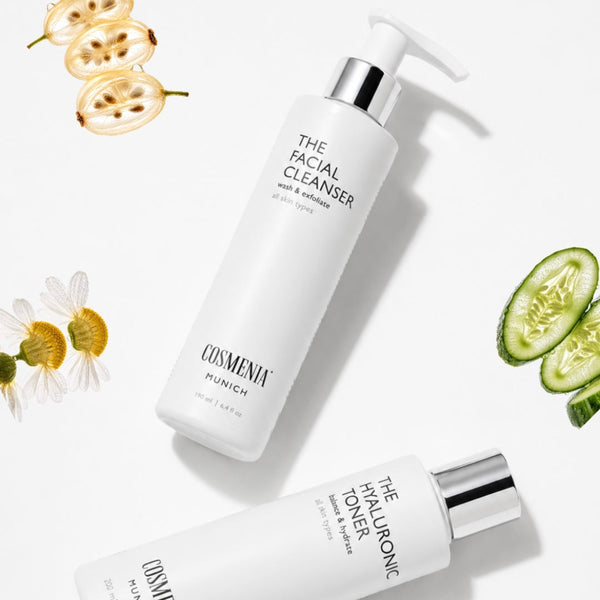
The Hyaluronic Toner combines hyaluronic acid with chamomile, providing exactly the interplay the research suggests: moisture binding plus a soothing effect straight after cleansing, when the skin often reacts most sensitively.
For the sensitive eye area
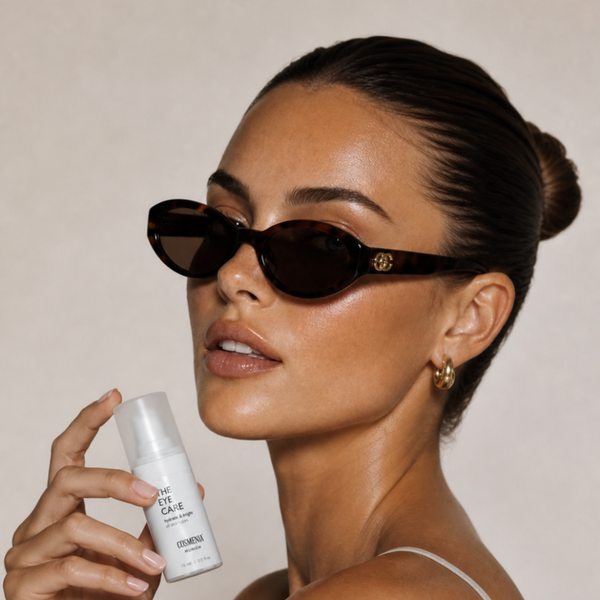
Redness and puffiness often show up first around the eyes. The Eye Care is tailored to this thin, sensitive area and combines well with chamomile-based care when the eye area needs extra soothing.
As part of a barrier-conscious routine
If you'd like to build up cleansing and soothing hydration together, the Cleanse & Balance Set offers an uncomplicated combination that doesn't put extra strain on irritated skin.
Frequently asked questions about bisabolol
Is bisabolol the same as chamomile extract?
No. Bisabolol is an isolated single substance from chamomile, while chamomile extract or chamomile water contains the full spectrum of plant compounds. Many products combine both.
Can bisabolol cause allergies?
Bisabolol itself is considered rather low in allergens and is well tolerated in studies. If you have a known allergy to plants of the daisy family (to which chamomile belongs), caution is still advisable, and a patch test makes sense.
How can I tell if a product contains natural bisabolol?
The difference isn't visible on the INCI list. A natural cosmetics label such as COSMOS or NATRUE is currently the most reliable indication that only plant-derived bisabolol has been used.
Conclusion
Bisabolol is one of the best-researched soothing ingredients in cosmetics: a well-documented anti-inflammatory effect, solid safety data and long experience of use. The decisive question is less ‘does it work?’ than ‘what is its origin?’ – for certified natural cosmetics, only the plant-based variant from chamomile counts. The Hyaluronic Toner is a good introduction to chamomile-based soothing care.
Want to see more from COSMENIA in your Google search results? Add us as a preferred source.


Comments