
Drinking Collagen: What the Research on Oral Collagen Peptides Really Shows

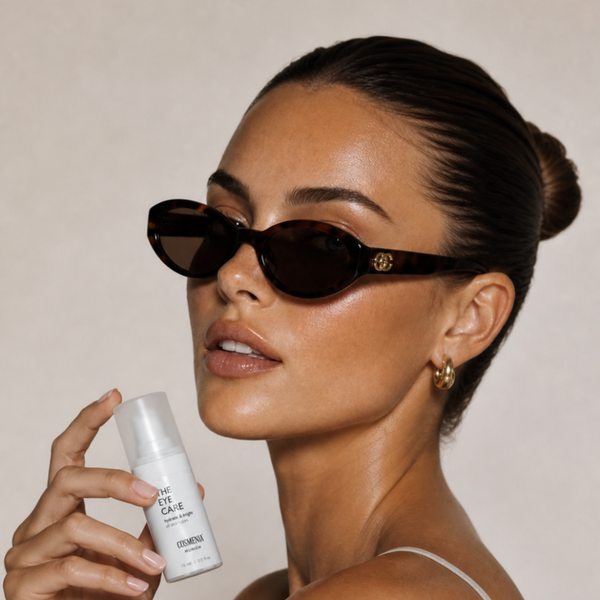
Note: image partly or fully created with AI.
The short answer
Drinking collagen promises firmer, wrinkle-free skin from within – but independent research only supports this promise to a limited extent. The EFSA has not yet approved any health claim on wrinkle reduction or skin elasticity for collagen peptides, and a meta-analysis found no clinically robust effect when studies were strictly selected. If you want to target the skin's structure specifically, topical skincare delivers more reliable, better-documented results.
What happens in the body when you drink collagen
Collagen powders and drinks usually contain hydrolysed collagen – collagen broken down into small peptide chains, obtained from cowhide, fish skin or pork rind. The idea behind it: unlike intact collagen (too large for the intestinal wall), these short peptides are supposed to pass through the digestive tract, enter the blood and specifically reach the skin. Certain collagen fragments, such as prolyl-hydroxyproline, can indeed be detected in blood plasma after intake – that's undisputed.
What happens next is less clear. The theory is that these circulating peptides stimulate fibroblasts in the skin to produce more collagen themselves – similar to signal peptides in creams, only via the bloodstream rather than applied directly. Mechanistically, that's plausible, but the actual proportion that reaches the dermis and has an effect there is tiny and hard to distinguish from the natural breakdown and build-up of collagen.
The research: between great hope and manufacturer ties
A meta-analysis published in September 2025 came to a sobering conclusion: as soon as only independent, methodologically high-quality studies were considered, no clinically robust effect of collagen powder on skin hydration, elasticity or wrinkle depth could be demonstrated any more. Many of the positive studies cited previously came from manufacturers themselves or were commissioned by them, involved small numbers of participants and, according to consumer organisations such as Stiftung Warentest, had an increased risk of bias.
The regulatory situation is clear: for collagen peptides, there is so far no health claim on skin elasticity, wrinkle reduction or anti-ageing effects that has been assessed and approved by the European Food Safety Authority (EFSA). Terms such as ‘anti-ageing drink’ are therefore actually not legally permitted in EU advertising – but still frequently appear in practice.
That doesn't mean any effect is ruled out: a review published in 2026 in the journal Molecules describes plausible cellular mechanisms, such as effects on mitochondria and lysosomes in skin cells, and a systematic review of 25 randomised studies found positive results in several individual studies – but itself pointed to a high risk of bias in the majority of them. Overall: biologically not implausible, but still too thinly documented methodologically to turn into a reliable promise.
Why topical ingredients have the advantage here
The decisive difference to applied skincare: signal peptides or antioxidants in a cream or serum work locally, at a controllable concentration, directly at the target structure. Orally taken collagen, on the other hand, has to survive digestion, passage through the liver and distribution throughout the whole body before the question of how much of it reaches the skin even becomes relevant. That explains why topical approaches to collagen stimulation have so far performed more consistently in independent studies than oral intake.
What targets the skin's structure instead
Cell regeneration as the foundation
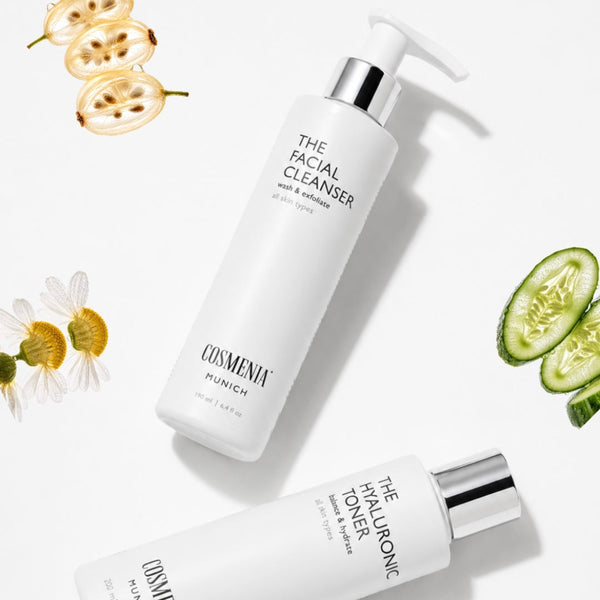
Before new collagen can be formed at all, the skin needs well-supplied, intact cells. The Hydrating Serum with Alteromonas ferment extract supports exactly this regenerative foundation rather than just providing superficial moisture.
Strengthen the barrier instead of just supplying raw material
Whatever ingredient you use: without a stable skin barrier, the effect fizzles out. The Day Cream with plant lipids and sea buckthorn keeps the barrier intact, creating the conditions under which skincare can work at all.
Make use of overnight regeneration
The body's own collagen formation is more active at night than during the day. The Beauty Sleep Cream & Mask with shea butter supports this overnight regeneration phase with intensive moisture, rather than relying on unproven drinkable ampoules.
Frequently asked questions about drinking collagen
Is collagen powder harmful?
No, at normal doses, hydrolysed collagen as a dietary supplement is generally harmless. The criticism isn't aimed at safety, but at exaggerated advertising promises about skin effects for which no health claim has been approved.
Why does drinking collagen seem to work for some people?
Subjectively perceived improvements can result from side effects, such as increased fluid intake at the same time or other supplements in the product. Placebo effects are also regularly demonstrated in studies of beauty supplements.
Is oral collagen the same as ‘collagen boosters’ in creams?
No. Collagen boosters in natural cosmetics are usually topical signal peptides that act locally on fibroblasts and have considerably better independent research behind them than oral collagen preparations.
Conclusion
Drinking collagen isn't a scam, but it's not a proven route to measurably firmer skin either – the regulatory situation and current meta-analyses speak clearly. If you want to invest in comprehensible skincare, you'll get further with topical ingredients, a stable barrier and sufficient regeneration than with a powder whose efficacy claims aren't even legally permitted. The Hydra Barrier Repair Set offers a well-founded place to start.
Want to see more from COSMENIA in your Google search results? Add us as a preferred source.


Comments