
Skin Flooding: Hyped Layering or a Clever Moisture Boost?
Note: image partly or fully created with AI.
The short answer
Skin flooding means applying several moisture-binding products (humectants such as hyaluronic acid or glycerin) one after the other to still slightly damp skin and sealing them in with a cream. The principle is dermatologically plausible and makes sense for dry, dehydrated skin – but beyond a certain point it brings no additional benefit and can even become unpleasant for oily skin or in a warm, humid climate.
Where does the trend come from?
Skin flooding first appeared on social media and has been picked up again regularly ever since – in 2026, too, the method is once again among the most discussed skincare trends. The name vividly describes what happens: the skin is literally ‘flooded’ with moisture by applying a toner or essence straight after cleansing, while the skin is still damp, followed by one or more serums and finally a moisturiser that seals everything in. Unlike many ingredient trends, the focus here isn't on a new substance but on an order of application.
What does skin physiology say?
The mechanism behind it is well established: humectants such as hyaluronic acid, glycerin or panthenol bind water molecules and draw them into the upper layers of the skin. When they are applied to skin that is already damp, they have more water available to bind instead of just drawing it from deeper layers of the skin. The final cream with lipids such as ceramides or plant oils then acts as a barrier that stops exactly this water from evaporating. Dermatologists confirm that this basic principle – add moisture, then seal it in – has been recommended for years and particularly benefits more mature skin, which loses natural water-binding capacity with age. The method can also deliver visible results for dull, uneven or seasonally dried-out skin.
A critical look: where the trend reaches its limits
As plausible as the principle is, it doesn't justify unlimited layering. Beyond a certain number of layers, the additional benefit drops noticeably – too many layers don't automatically bind more moisture, but can overload the skin, hinder the absorption of the sealing cream or leave an unpleasantly sticky feeling on combination skin. Skin flooding becomes particularly problematic for oily or blemish-prone skin: several damp layers under an occlusive cream can create a microclimate in a warm, humid climate that tends to encourage sebum production and congestion rather than relieve it. If you already live in a humid environment, you'll often do better with a single, well-matched moisturiser than with five layers. Skin flooding is therefore not an ingredient with its own mechanism of action but an application technique – its benefit depends heavily on your individual skin condition and climate, not on the number of products applied.
Adding skin flooding to your routine naturally
Step 1: apply moisture to damp skin
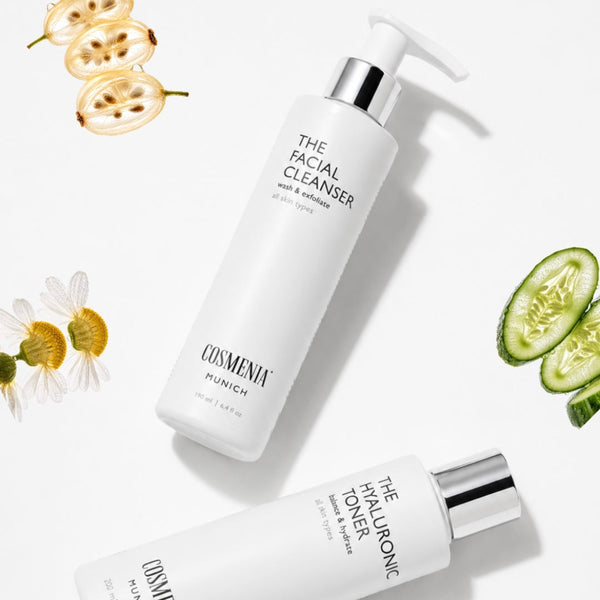
Directly after cleansing, while the skin is still slightly damp, The Hyaluronic Toner with hyaluronic acid and chamomile is a good first layer of moisture – it also soothes and prepares the skin for the following steps.
Step 2: serum as a concentrated layer of moisture
This is followed by The Hydrating Serum with Alteromonas ferment extract, which specifically binds water and gives the skin a plumper feel before the moisture is sealed in.
Step 3: seal according to skin type
For dry skin, a richer cream takes over the final sealing. For oily or combination skin, an oil-free gel such as The Glowy Gel with aloe vera and zinc is the better choice for locking in moisture without overloading the skin. If you'd like all three steps matched, you'll find them bundled in the Hydra Barrier Repair Set.
Frequently asked questions about skin flooding
Is skin flooding suitable for every skin type?
Not without limitation. Dry, more mature or seasonally dehydrated skin usually benefits most clearly. For oily or blemish-prone skin and in warm, humid climates, the number of layers should be reduced.
How many product layers make sense?
There is no evidence that more than two to three layers of moisture bring any additional benefit. Toner, serum and a final cream or gel are usually enough.
Can skin flooding overwhelm the skin?
Yes. Too many layers can hinder the absorption of the sealing care, leave a sticky feeling or, with a corresponding predisposition, encourage blemishes.
Conclusion
At its core, skin flooding isn't a new invention but a plausible, dermatologically sound sequence of well-known hydrating care – add hydration, then seal it in. The biggest mistake lies not in the principle but in overload: more layers don't automatically mean more effect. If you apply the principle in a targeted way and tailored to your skin type, you can build a simple, effective routine with products such as the Hydra Barrier Repair Set without overloading your skin.


Comments