
Slugging: Is Occlusive Skincare Worthwhile or Only for Certain Skin Types?

Note: image partly or fully created with AI.
The short answer
Slugging means applying an occlusive layer as the last step of your evening routine to reduce moisture loss overnight. Classically, petroleum jelly is used for this, which greatly reduces transepidermal water loss. In natural cosmetics, plant fats such as shea butter take on this role. Slugging makes most sense for very dry, damaged skin barriers – for oily or blemish-prone skin, on the other hand, applying it to the whole face can burden the pores.
What's behind the trend?
The term comes from Korean skincare and vividly describes how the skin shines like a slug after application – hence ‘slugging’. The method became popular on social media from 2021 and has since been one of the longer-lasting beauty trends: rather than a new ingredient, it's purely an application technique. At the end of the evening routine – after cleansing, serums and moisturiser – a thin occlusive layer is applied that seals the skincare products underneath on the skin overnight instead of letting them evaporate.
How does an occlusive layer work, scientifically speaking?
Occlusive substances work purely physically: they form a film on the stratum corneum and prevent water from evaporating from the skin. For petroleum jelly (petrolatum), this effect is well researched – studies show a reduction in transepidermal water loss (TEWL) of up to around 99%, considerably more than mineral oil or lanolin. Petrolatum is also considered non-comedogenic and is classified by the FDA as a recognised skin protectant. These properties explain why slugging can noticeably help very dry skin or skin irritated by cleansing, active ingredients or cold: the skin loses less moisture overnight and feels plumper in the morning.
A critical look: why classic petroleum jelly is off-limits in natural cosmetics
Petrolatum is a petroleum derivative. Even in its highly refined cosmetic form, purified of polycyclic aromatic hydrocarbons (PAHs) in line with EU requirements – which the SCCS considers safe – it remains a mineral-oil-based raw material. Certifications such as COSMOS or ECOCERT generally exclude mineral oil derivatives, regardless of their purity. For certified natural cosmetics, only plant-based occlusives are therefore an option: shea butter, certain plant waxes or rich plant oils. These are usually not quite as strongly occlusive as pure petrolatum, but they also provide fatty acids and vitamins that actively support the skin barrier rather than just passively sealing it.
A second critical point concerns suitability for different skin types. Even occlusives considered non-comedogenic create a warm, moist microclimate under the sealed layer. For oily or blemish-prone skin, or skin in a warm, humid climate, this can trap excess sebum and dead skin cells and encourage blemishes. The combination with active ingredients such as retinoids or fruit acids is also tricky: occlusion can increase their penetration and thus worsen irritation rather than relieve it, as slugging is actually supposed to do for irritated skin. Slugging is therefore not an ingredient with its own mechanism of action, but an application technique whose benefit depends heavily on your individual skin condition – it isn't recommended across the board for every skin.
Adding slugging to your routine naturally
For very dry skin: rich night care as the final step
If you tend towards dry, tight skin, you can use The Beauty Sleep Cream & Mask with shea butter as your final layer. The rich texture takes on the occlusive role of classic slugging with plant-based ingredients while also providing nourishing lipids for the barrier.
Build up moisture before the occlusive layer
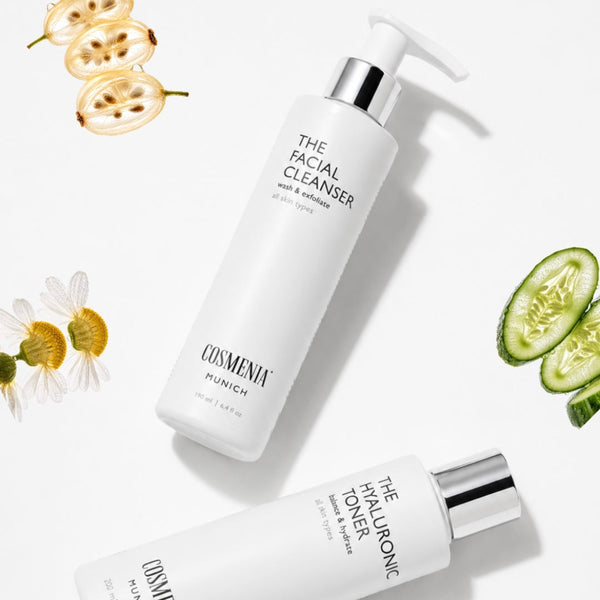
For occlusive care to actually seal something in, enough moisture should be brought into the skin beforehand. The Hydra Barrier Repair Set combines cleansing, hydration and barrier care in one matched routine before a rich cream follows as the last step.
For oily or blemish-prone skin: an alternative to full-face slugging
For oily or blemish-prone skin, a light, oil-free moisturiser such as The Glowy Gel with aloe vera and zinc is usually a better choice than a full-face occlusive layer. If you still want to try slugging, limit it to particularly dry areas rather than your whole face.
Frequently asked questions about slugging
Does slugging have to be done with petroleum jelly?
No. Petroleum jelly is the most extensively researched occlusive, but it's a mineral oil product and excluded from certified natural cosmetics. Plant fats such as shea butter achieve a similar, if somewhat weaker, effect and also provide caring ingredients.
Is slugging suitable for every skin type?
No. For very dry or stressed skin, it can noticeably support the barrier. For oily or blemish-prone skin, and in combination with potent active ingredients, slugging should be used with caution or not at all.
How often should you slug?
There's no evidence that daily slugging is necessary or useful. If your skin needs it, it's often enough to use the method on individual evenings or specifically on dry areas.
Conclusion
Slugging is physically easy to explain and demonstrably helpful for very dry, damaged skin barriers – but it's not a trend to recommend across the board for every skin. In natural cosmetics, plant fats such as shea butter replace classic petrolatum while adding extra caring value. If you have particularly dry skin, the Hydra Barrier Repair Set is a good start to a barrier-conscious routine, with a rich night cream following as the final layer.
Want to see more from COSMENIA in your Google search results? Add us as a preferred source.


Comments