
Zinc PCA for Blemish-Prone Skin: A Gentle Alternative to Benzoyl Peroxide?

Note: image partly or fully created with AI.
The short answer
Zinc PCA is a well-tolerated zinc compound that regulates sebum production and has an antibacterial effect against acne bacteria. It irritates the skin much less than benzoyl peroxide, but is also milder in its effect. It is not a substitute for a medically prescribed acne therapy – but it is certainly useful as complementary care for mild to moderately blemish-prone skin.
What is zinc PCA?
Zinc PCA is a compound of zinc and pyrrolidone carboxylic acid (PCA), a component of the skin's natural moisturising factor (NMF). This combination makes zinc PCA particularly water-soluble and skin-friendly compared with other zinc salts – the skin absorbs it without the irritation that pure zinc oxide or zinc sulphate can sometimes cause. In natural cosmetics, it is mainly used in gels, serums and toners for oily and blemish-prone skin.
How does zinc PCA work on blemish-prone skin?
Zinc PCA targets two points that typically interact in blemish-prone skin:
- Sebum regulation: Zinc inhibits the activity of 5-alpha reductase, an enzyme involved in the hormonal control of the sebaceous glands. As a result, the skin produces less excess sebum without having oil actively stripped from it.
- Antibacterial effect: Zinc can disrupt the cell division of Cutibacterium acnes, the bacterium involved in the development of inflammatory blemishes, and make it harder for biofilms to form.
The result is a mattifying, balancing effect that, according to manufacturers, leads to a noticeable reduction in sebum production after about four weeks of regular use.
Zinc PCA vs. benzoyl peroxide: what does the research show, critically assessed?
Benzoyl peroxide (BPO) has been proven effective against inflammatory acne for decades through numerous independent randomised controlled trials – it works quickly and has a strong antibacterial effect, but often irritates the skin, can dry it out and can bleach clothing and towels. Zinc PCA is positioned in marketing and individual cosmetic studies as a gentler alternative that is said to achieve similar effects without these side effects.
Caution is advisable here: much of the efficacy data on zinc PCA comes from manufacturer-funded cosmetic studies with small numbers of participants, not from large-scale, independent clinical trials as with BPO. A 30-day study published in 2026 in the Journal of Cosmetic Dermatology on a combination of salicylic acid, prebiotics and zinc PCA did show good tolerability and improvements in the complexion – but in combination with several ingredients, not for zinc PCA in isolation. Independent evidence for the claim that zinc PCA is just as effective as BPO for more severe, inflammatory acne is still lacking.
There's also a legal aspect: zinc PCA is a cosmetic ingredient under the EU Cosmetics Regulation, not a medicine. Cosmetic products may therefore only advertise an effect on blemish-prone, oily skin, not the treatment or cure of acne as a medical condition. If you have moderate to severe acne, you should still have it checked by a dermatologist – zinc PCA is a useful addition to your skincare, not a replacement for medical therapy.
Who is zinc PCA suitable for?
People with mild to moderately blemish-prone, oily skin who react to classic ingredients such as benzoyl peroxide or high-dose salicylic acid with dryness and irritation benefit most. Zinc PCA can also be useful as a long-term, well-tolerated addition alongside medical acne therapy to further balance sebum production.
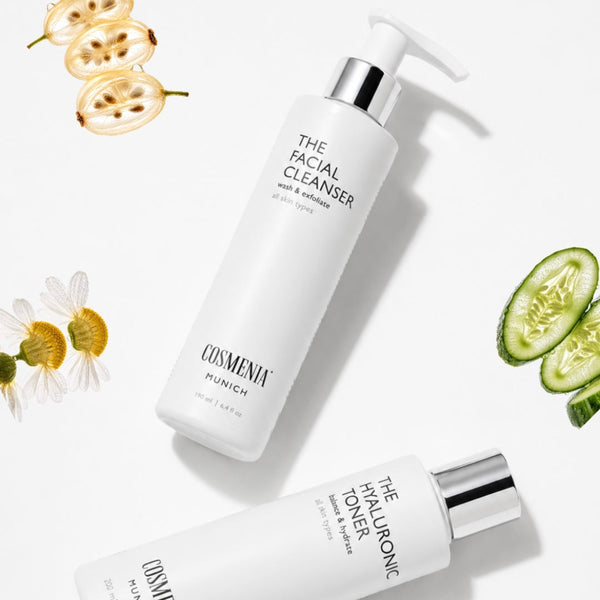
Cleanse gently with The Facial Cleanser
The basis of any routine for blemish-prone skin is mild cleansing that doesn't attack the acid mantle. The Facial Cleanser removes excess sebum and make-up without drying out the skin – the prerequisite for sebum-regulating ingredients to work afterwards at all.
Balance sebum with The Glowy Gel
The Glowy Gel combines aloe vera with zinc in an oil-free gel texture – an obvious starting point for using zinc's regulating effect on sebum production without weighing the skin down.
Frequently asked questions about zinc PCA
Can zinc PCA completely replace benzoyl peroxide?
For mild blemishes and oily skin often yes; for pronounced inflammatory acne, not so easily. BPO is better supported by independent studies and has a stronger antibacterial effect.
Is zinc PCA suitable for sensitive skin?
Yes, that is one of its main advantages over classic anti-blemish ingredients: zinc PCA is considered much less irritating than benzoyl peroxide or high-dose salicylic acid.
How quickly does zinc PCA work?
First mattifying effects often appear after one to two weeks; noticeable regulation of sebum production and fewer new blemishes usually require four to eight weeks of consistent use.
Conclusion
Zinc PCA is a scientifically plausible, well-tolerated addition for blemish-prone, oily skin – but not a 1:1 alternative to benzoyl peroxide for more severe acne, as the independent research simply isn't there. If you want to regulate gently and in the long term rather than dry out your skin in the short term, zinc PCA is the right choice. You'll find a matching routine in Cosmenia's Fresh Glow Routine Set.
Related articles on blemish-prone skin
- Niacinamide for blemish-prone skin: what the ingredient can really do
- Azelaic acid: the underrated ingredient for blemishes, redness and dark spots
- Salicylic acid (BHA) for blemish-prone skin: effects, risks and why Cosmenia relies on AHA
- Mandelic acid for blemish-prone skin: the gentle AHA alternative to glycolic acid?
- Kaolin clay for blemishes: gentle classic or outdated home remedy?
- Sulfur for blemish-prone skin: a classic home remedy put to the scientific test
Want to see more from COSMENIA in your Google search results? Add us as a preferred source.


Comments